Introduction
The Supreme Court’s recent directions regarding implementation of the Solid Waste Management Rules 2026 mark a watershed moment for waste management in India. The judgment elevates waste management from a municipal responsibility to a shared constitutional obligation involving governments, businesses and citizens.
What Has Changed?
The Court has emphasized:
- Mandatory source segregation
- Scientific waste processing
- Stronger monitoring mechanisms
- Accountability of waste generators
- Reduced dependence on landfills
Impact on Businesses
Organizations generating food waste will face increasing expectations to:
- Segregate waste properly
- Ensure scientific treatment
- Maintain records of waste handling
- Demonstrate environmental compliance
Why Food Waste Matters
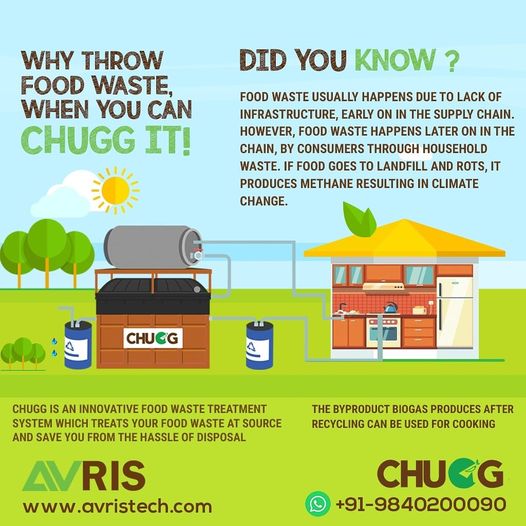
Food waste is one of the largest contributors to landfill methane emissions. When organic waste decomposes anaerobically in landfills, it releases methane, a greenhouse gas significantly more potent than carbon dioxide.
The Role of On-Site Treatment
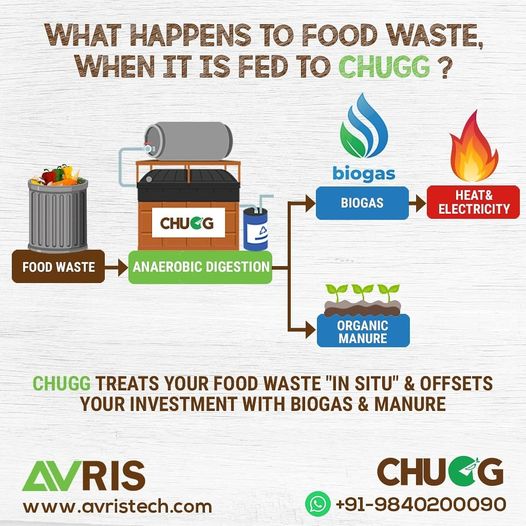
Treating food waste where it is generated:
- Eliminates transportation burden
- Reduces landfill disposal
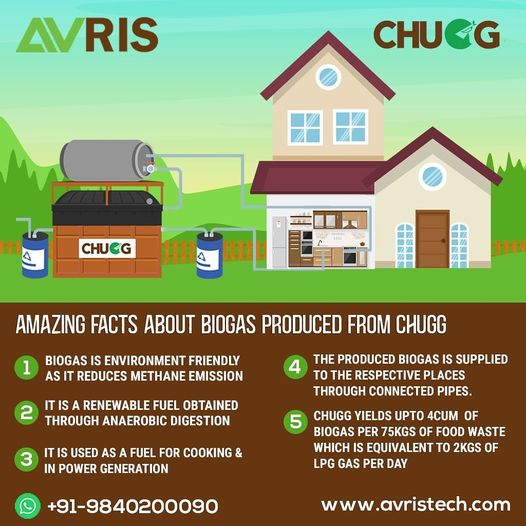
- Produces renewable energy
- Supports ESG objectives
- Strengthens regulatory compliance
Conclusion
The Supreme Court’s directive signals a future where responsible waste management becomes a business necessity. Organizations that act early will be better positioned to manage compliance, sustainability commitments and stakeholder expectations.